
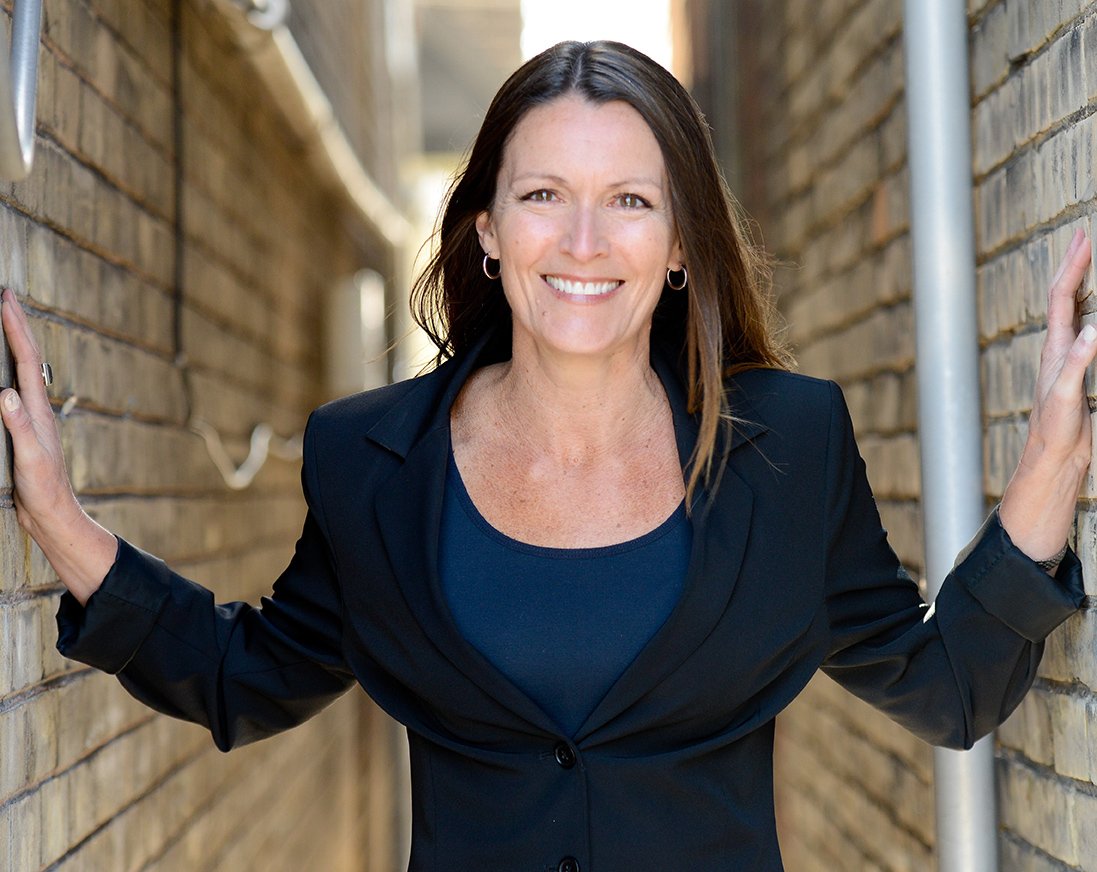
For our Earth Day Changemaker Chat, we talked to Margo Malowney, an Olympian who now brings her elite athlete mindset to driving business, sustainability, and systems change. Margo is a board member with the Ontario Volleyball Association, an EcoAthletes Champion, and a Partnership Lead with TOCW.
Photo by Michelle Quance
Q. What’s the proudest moment of your Olympic career?
A: One of the proudest moments of my Olympic career was stepping onto the sand in the very first Olympic beach volleyball competition. I had been one of a small group of Canadian women competing for Canada internationally as the sport was still finding its place, and later, with a different partner, I had the opportunity to compete at the Olympic Games when beach volleyball made its debut.
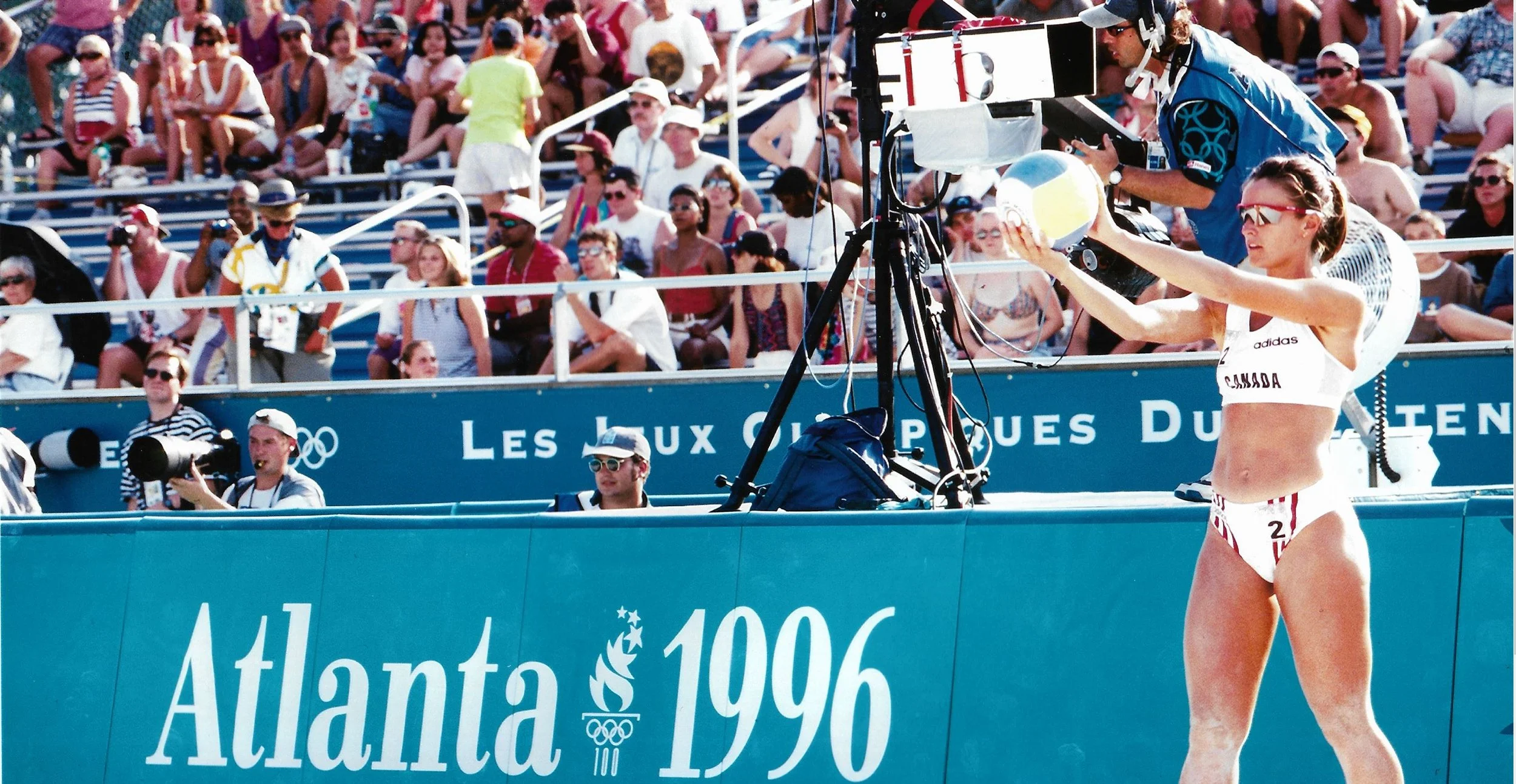
Photo by Tony Martins
Of course, there were proud moments tied to results and performance, but what stays with me most is what that moment represented. We were helping build something before it was fully established. There wasn’t a clear roadmap, a mature system, or decades of history behind us. We were part of creating what came next.
That experience shaped me far beyond sport. It taught me that sometimes the most meaningful work happens when you step forward before everything is ready.
Q: Was there a lightbulb moment that sparked your interest in the sustainable side of sports?
A: It wasn’t one dramatic moment so much as a growing realization.
Sport depends on healthy environments, stable seasons, safe communities, and functioning infrastructure. Whether it’s snow, water, heat, air quality, fields, beaches, arenas, or transportation systems, climate touches every part of sport.
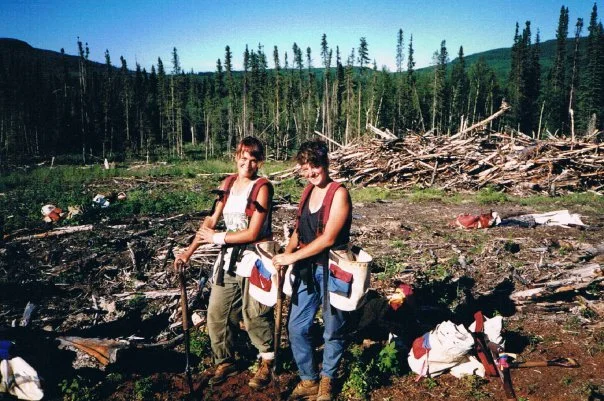
I’ve also always been drawn to the outdoors. During university, I spent three summers tree planting instead of taking a more traditional student office job. Later, one of the most memorable roles in my career was working in big wave surf, helping create sponsor programs that were innovative, brand-aligned, and part of delivering the first climate-neutral big wave surf event.
Later still, I spent years in the property restoration industry, working in a business that responds after floods, fires, storms, and other disasters. That gave me a very practical lens on climate risk, resilience, and how disruption affects real people and communities — and how those disruptions are increasing in both frequency and scale.
In 2024, I also walked the Camino de Santiago — another experience that deepened my connection to nature, community, and the environments that shape how we move through the world. When I connected all of those experiences, it became obvious to me: sport isn’t separate from climate issues. Sport is already living them. And because sport reaches people emotionally and socially, it can also be part of the solution.
Q: What do you wish everyone knew about the connections between sports and sustainability?
I wish more people understood that sport is much bigger than games or entertainment.
Sport is community infrastructure. It brings people together across age, culture, income, and background. It creates habits, identity, belonging, behaviour, and leadership. That means sport can be one of the most powerful platforms for positive change.
Yes, there are operational questions like venues, travel, waste, energy, and materials. Those matter. But the bigger opportunity is influence.
A team, a club, a race organizer, or a local recreation group can help normalize sustainable choices, activate volunteers, educate families, and bring climate conversations into places they might not otherwise happen.
Sport doesn’t just reflect culture. It helps shape it.
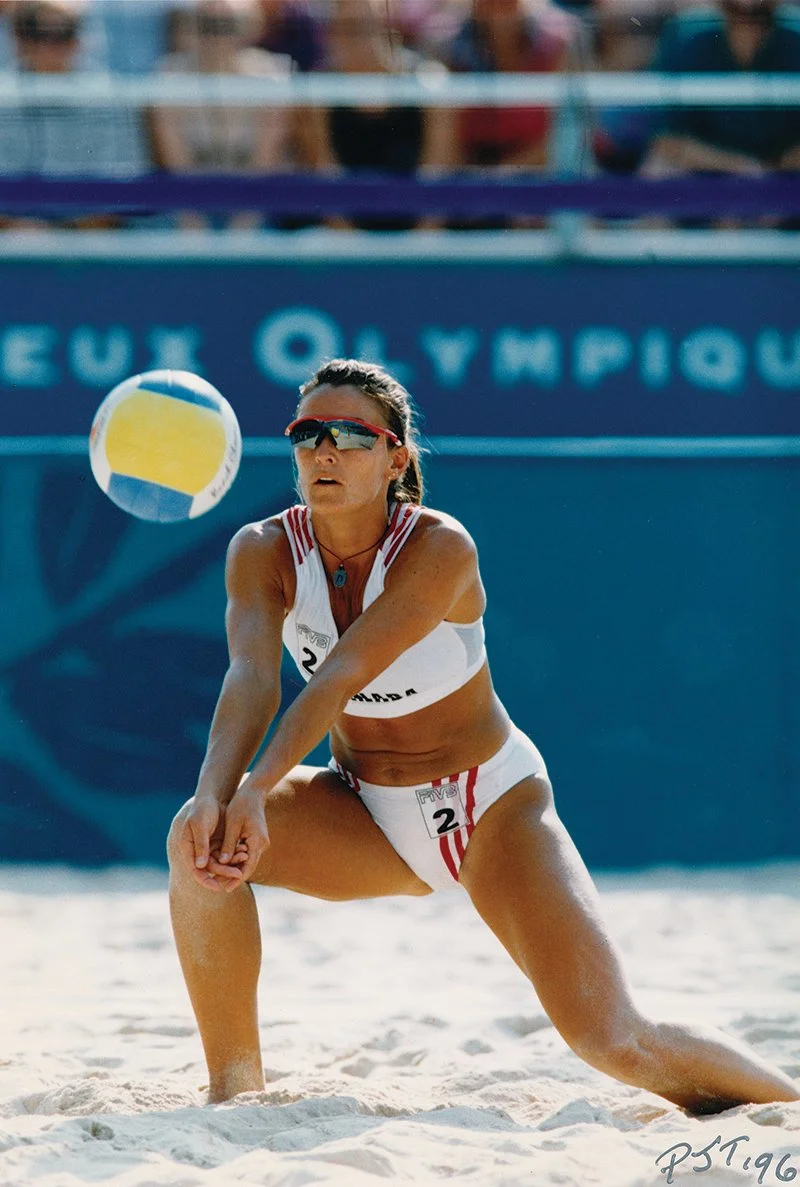
Photo by Peter J. Thompson
Q: What drew you to get involved with Toronto Climate Week?
A: What drew me in was the ambition of it.
Toronto Climate Week is building something city-wide, collaborative, and forward-looking. I love initiatives that bring different sectors together and create space for new ideas, new partnerships, and community action.
I was especially interested in the opportunity to help elevate the role of sport. Sport is one of the strongest community connectors we have, yet it’s often underrepresented in climate conversations. I saw a chance to help bridge that gap.
It also felt deeply local in the best sense of the word. Toronto is full of smart, passionate people and organizations doing meaningful work. Being part of a platform that helps connect that energy is exciting.
Q: What are you most looking forward to at Toronto Climate Week?
A: Honestly, I’m looking forward to the unexpected connections.
When you bring together people from different sectors — business, community groups, artists, educators, policymakers, innovators, sport leaders — new ideas emerge that wouldn’t happen in silos.
I’m excited to see how organizations interpret the week in their own way through community events, conversations, and activations. That creativity is where momentum comes from.
And from a sport perspective, I’m excited to see more people recognize that this space belongs to them too. You don’t need to be a climate expert or a pro athlete to be part of climate action. Sometimes you just need to open the door and invite your community in.